Sensitive teeth and cold drinks: why it happens, and when to get it checked
A short twinge from something cold is common, but it is never simply "normal". What causes it, what helps at home, and when a visit is worth it.

A sip of cold water, a short sharp twinge that fades in a few seconds. It is one of the most common complaints there is, and one of those people put up with the longest: it does not hurt enough to worry about, but it hurts enough to change the way you eat and drink.
It is worth understanding where it comes from, because sensitivity is not a diagnosis: it is a symptom, and the causes behind it are quite different from one another.
What happens when a tooth is sensitive
Beneath the enamel lies dentine, a tissue crossed by thousands of microscopic tubules that run all the way to the pulp, where the nerves are. As long as enamel and gum cover it, the dentine is insulated. When it is left exposed, cold, heat or sweetness reach those tubules and the tooth reacts.
The reasons dentine becomes exposed are mainly these:
- Gum recession. The gum draws back and leaves the neck of the tooth exposed, where there is no enamel to protect it. It is the most frequent cause in adults.
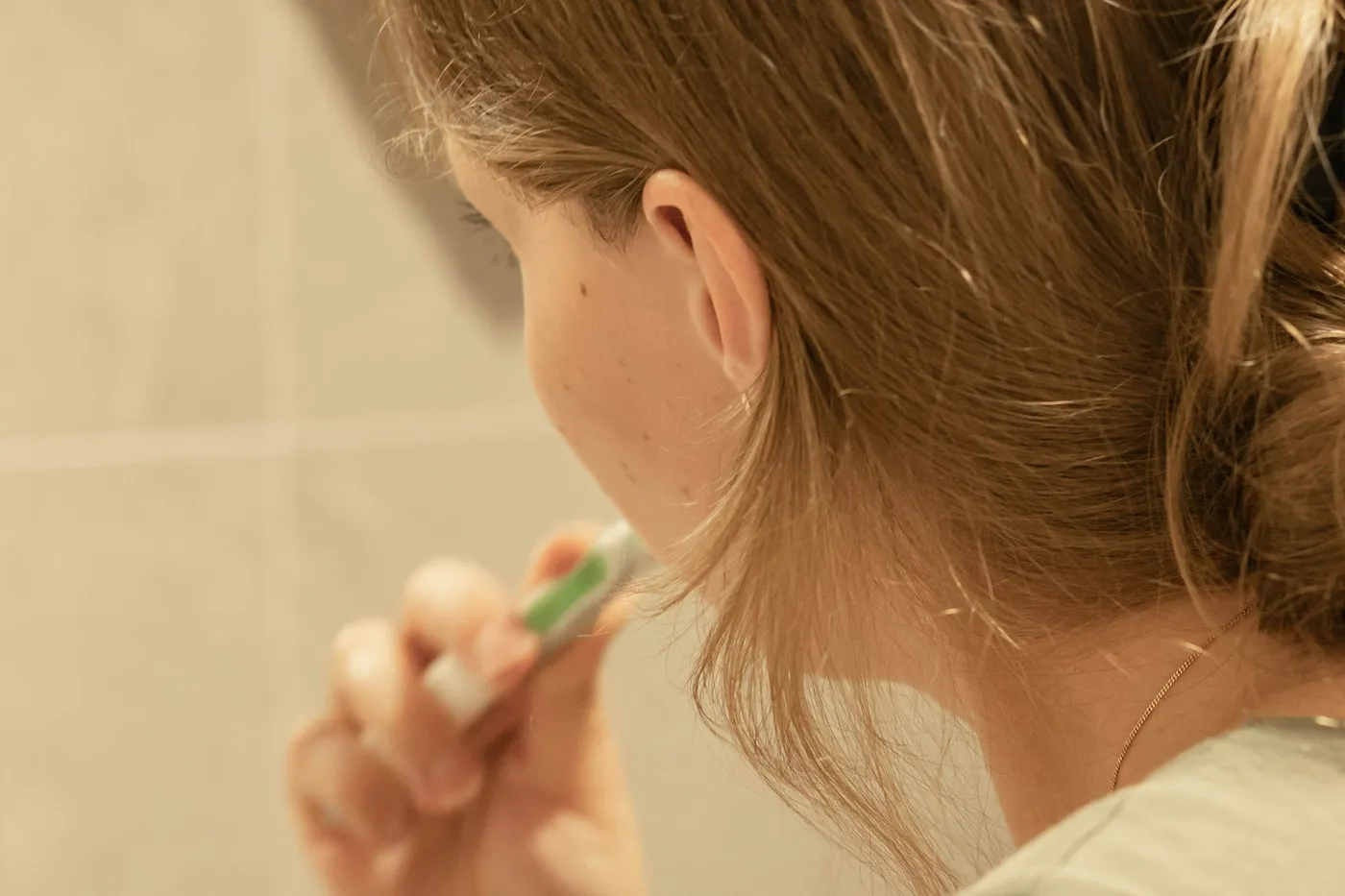
- Abrasion from brushing. Brushing too hard, or with stiff bristles, wears away enamel and the tissue at the gum margin. Oddly enough, the people who brush most vigorously are often those with the most sensitivity.
- Acid erosion. Fizzy drinks, citrus fruit, gastric reflux: acid thins the enamel across the whole surface, with no decay involved.
- Bruxism. Grinding or clenching, often at night and without realising it, wears the surfaces down and creates microfractures.
- Decay, leaking fillings or fractures. Here sensitivity is a warning: it points to something that needs looking at, not a nuisance to be managed.
When it is reasonable to wait, and when it is not
A twinge that lasts a few seconds and settles on its own, and has only appeared recently, often resolves with a change of toothbrush and toothpaste. There are situations, though, where waiting does not help:
- the pain lasts more than a few seconds after the stimulus has gone;
- it appears for no reason, at rest, or at night;
- it is concentrated on a single tooth rather than spread out;
- it comes with bleeding or receding gums;
- it appeared suddenly after an injury or a broken filling.
In those cases the sensitivity is describing something specific, and switching it off with a toothpaste means removing the signal and leaving the cause where it is.
What you can do at home
- A soft-bristled brush, and very little pressure. A toothbrush is not there to scrub: it is there to remove plaque, which is soft.
- Toothpaste for sensitive teeth. These contain agents that seal the tubules or dampen the nerve response. They work, but only with consistency: it takes weeks, not one application.
- Wait before brushing after acidic food. Straight afterwards the enamel is temporarily more vulnerable: rinse with water and leave it half an hour.
- Do not use bicarbonate of soda as a home remedy. It is abrasive, and on an already sensitive tooth it worsens the very problem it is meant to solve.
What we can do at the practice
The first step is working out which cause is at play: it changes entirely what is worth doing. From there, depending on the case, we can apply desensitising agents, seal exposed necks, rebuild worn areas, or treat the underlying cause — periodontitis where the gums are receding, bruxism with a night guard where the wear comes from clenching.
A professional hygiene session plays its part too: removing tartar below the gum is often what allows the tissue to recover, and in the protocol we use it is done with powder jets and ultrasound, without scraping the surfaces.
The question we are asked most often
"My teeth are sensitive, so will the cleaning hurt?"
It is the reason many people put off the very appointment that would help them. It is worth saying beforehand: sensitivity should be mentioned at the start, not endured during. Knowing about it, we change the instrument, change the powder, work in sections and — where useful — apply a surface anaesthetic. Anyone who finds these appointments particularly stressful can talk to us in advance: it is part of the Feather Method®, and it is a conversation we have before starting, not with the chair already reclined.
If you have been living with this for months, the most useful thing is not finding the right toothpaste: it is understanding why it started.
Looking for a dentist in Rome? Book an Appointment
Dr. Marano personally replies to every message he receives within 24 hours. Fill in the form and he will get back to you shortly.
Stay in touch
One email when we publish something new. No promotions, nothing pointless.