All About Removable Dentures: Fascinating Alternative to Dental Implants
Removable dentures: solutions for those who cannot or do not want implants Many patients wish to have a full smile and good chewing back, but dental implants are not always a viable option for everyone. There are those who do not have enough bone to place implants, those who feel fear at the idea of
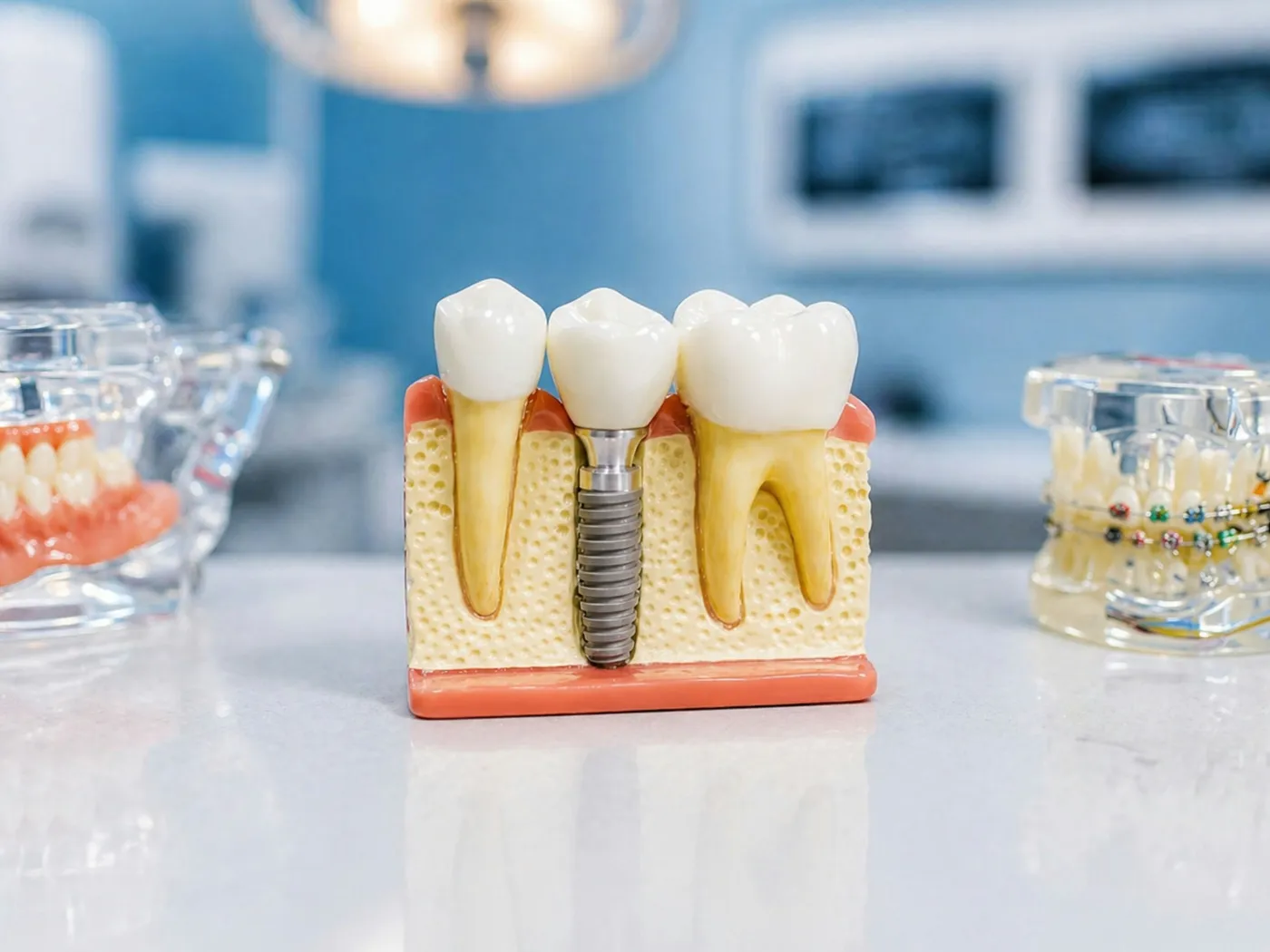
Removable dentures: solutions for those who cannot or do not want implants
Many patients wish to have a full smile and good chewing back, but dental implants are not always a viable option for everyone. There are those who do not have enough bone to place implants, those who feel fear at the idea of undergoing surgery, and those who have to forgo implants for economic reasons. If you recognize yourself in any of these cases, don’t despair: there are effective removable prosthetic solutions that can restore your function and aesthetics without necessarily having to resort to implant surgery.
Below we will look at the different alternatives available. We will discover how modern removable dentures can help you return to smiling and eating with confidence, even when implants are not possible or desired. We will look at suitable options for those who still have some missing natural teeth (partial edentulism), for those who have lost all their teeth (total edentulism), and we will compare the advantages of fixed versus removable dentures to see when one solution may be preferable to the other. Finally, we will give guidance on the average lifespan of these dentures and daily and periodic maintenance tips, so you can keep your new dentures comfortable and long-lasting.
When implants are not an option: three common cases
1. Patients with insufficient bone for implants
To place a dental implant, it is necessary to have a certain volume of bone available in the maxilla or mandible. After tooth loss, bone tends to progressively resorb, and in some patients bone atrophy is so advanced that there is not enough support for an implant. In these situations, the dentist or surgeon might propose bone regeneration techniques or alternative implant solutions. For example, bone grafting or sinus lift procedures can be performed to increase bone availability. In more complex cases, there are special implants such as zygomatic implants, which are anchored in the zygomatic bone and can bypass the lack of jaw bone. However, these procedures are more invasive and challenging both surgically and economically.
If you don’t feel up to undergoing bone regeneration surgery or if your case is not a candidate for advanced implant dentistry, it doesn’t mean you have to give up rehabilitating your smile. Removable dentures are a viable alternative that can restore aesthetics and much of your chewing function without the need for implants. Well-made dentures can restore your ability to eat, speak and smile with confidence, even in the absence of sufficient bone for implants. In addition, in many cases it is possible in the future to combine a removable denture with a small number of implants (e.g., an overdenture on two implants) if the right conditions arise: you will basically already have a denture ready to be stabilized with implants the moment there is enough bone or you change your mind.
2. Patients with fear of implants
Anxiety or dental phobia is a very common problem. The idea of having screws inserted into the bone can understandably frighten many patients, even though in reality implant surgery is generally safe and painless due to anesthesia. If you are afraid of implants or surgery, it is important to know that there are methods to deal with this fear. One of the most effective techniques is conscious sedation, which can be performed with a mixture of nitrous oxide and oxygen (inhalation sedation) or with sedative drugs administered intravenously by an anesthesiologist. Conscious sedation allows the patient to relax completely in the chair, causing anxiety and fear to disappear, while remaining awake and cooperative. A feeling of well-being pervades, and procedures are approached without trauma or stress. This type of sedation is very safe and its effects wear off within minutes of the end of administration. Many studies confirm that it is an effective technique with no significant risks for most patients (except for some specific contraindications such as severe respiratory problems).
Despite these possibilities, it is understandable that some people still cannot overcome fear or prefer to avoid invasive procedures altogether. In that case, opting for a removable prosthesis may be the best choice to rehabilitate the mouth without facing surgery. Knowing that you can solve the problem of missing teeth without a “scalpel” can already greatly reduce anxiety. Removable dentures are easily fitted and removed, without having to go “under the knife,” and still allow you to regain good chewing function and satisfactory aesthetics. Your dentist will understand your fears and guide you to the most comfortable solution for you, offering support and understanding all along the way.
3. Patients who cannot afford implants
Dental implants, especially when many teeth or an entire arch needs to be replaced, represent a not inconsiderable economic investment. Not everyone has large budgets available for complex dental care, and the economic factor is often a determining factor in the choice of treatment. It is important to know that today many dental offices offer financing and installment payment options fortreatment, often even at zero interest. This makes it possible to spread the expense over time and make implant surgery more affordable. There are also some forms of public assistance for fragile categories: for example, the National Health Service in Italy offers free or reduced-cost basic dental services to people in “socially vulnerable” conditions or with low income (although access may vary from region to region and waiting lists are often long).
Despite these solutions, for many patients the cost of implants remains prohibitive or they simply prefer to allocate their economic resources elsewhere. This does not mean having to give up replacing lost teeth. Traditional removable dentures cost considerably less than fixed rehabilitations on implants and still allow for a good functional and esthetic result, especially if made with care. Today, dentures and partial dentures are designed with modern technology, quality materials, and much more natural aesthetics than in the past, while remaining affordable. Many patients find that a well-made removable denture is an excellent compromise between benefit and cost, allowing them to smile again without going into debt. In addition, as already mentioned, there is nothing to prevent you from deciding to switch to an implant-supported solution in the future: for example, you could start with a removable total denture and, if your financial possibilities allow later, add two implants to stabilize it (turning it into an overdenture). Meanwhile, you will still have improved your quality of life immediately and cost-effectively.
In all these situations-bone insufficiency, fear or high cost-removable dentures therefore offer a lifeline to rehabilitate the mouth. In the next section we will see what types of removable dentures exist depending on whether the lack of teeth is partial or total, analyzing for each option the advantages and benefits in terms of functionality, aesthetics, comfort, hygiene, cost and patient adaptation.
The main options of removable prostheses according to edentulousness
Broadly speaking, we distinguish two clinical situations:partial edentulism (when some teeth are missing but others are still present) andtotal edentulism (when all teeth in an arch are missing). In partial edentulism, we can have additional subcategories, such as when the missing teeth are interspersed with natural teeth on both sides (intercalated edentulism) or when the missing teeth are placed at the end of the arch without supporting posterior teeth (distal or “cantilever” edentulism). Let’s look at the removable prosthetic solutions indicated for each of these conditions.
Intercalated partial edentulism (lack of teeth in between other teeth)
In cases of missing one or more teeth with natural elements still present either anteriorly or posteriorly to the edentulous space, a possible solution is removable partial dentures. This device is commonly called a skeleton (skeletonized prosthesis) when it has a metal framework. It consists of a pink resin base on which artificial teeth are mounted, reinforced by acast metal framework that anchors to the remaining teeth via hooks or attachments. The metal hooks embrace some natural teeth to support the prosthesis-this is the simplest and most widely used solution, although it involves the presence of metal parts that are sometimes visible (especially on the front teeth). Alternatively, if a more esthetic result is desired, the abutment teeth can be covered with crowns equipped with precision attachments: in this way, the prosthesis will attach to connectors hidden inside the crowns, without the need for visible external hooks. These attachments are not only invisible from the outside, but also provide greater stability of the prosthesis than traditional hooks.

Example of removable partial denture with metal framework and hooks that rest on natural teeth.
There are also partial prostheses made entirely of resin (without a metal skeleton) that are sometimes used as temporary or inexpensive solutions. One example is the so-called tweezer resin denture (also called a flipper), often used temporarily after an extraction while waiting for healing or an implant. However, for multiple-tooth replacements, it is preferable to use metal-reinforced skeleton, which is significantly stronger, more stable, and longer lasting. In selected cases, “flexible” partial dentures can be made of nylon or acetal: these are metal-free dentures with gum-colored rubbery material clasps that are very aesthetic (almost invisible) and comfortable. In contrast, flexible prostheses have limited indications: they are less stable under heavy load and may not be suitable for replacing posterior teeth or extended spaces; moreover, their repair or relining is more complex in case of breakage or modification.
Advantages: A removable partial denture allows multiple teeth to be replaced with a single appliance, restoring chewing ability over that area and preventing neighboring teeth from shifting or tilting. It is a less expensive solution than fixed bridges or multiple implants. In addition, it is conservative: it does not require filing down adjacent teeth (as would happen to make a traditional fixed bridge) and does not involve surgery. The prosthesis can be easily removed for cleaning, allowing good hygiene of both the prosthesis itself and the remaining teeth to be maintained. If more teeth are lost in the future, the skeleton can often be modified or expanded by adding teeth to the framework, without having to redo the entire denture from scratch. Any repairs in case of fracture are also relatively simple and inexpensive compared to a fixed prosthesis.
Disadvantages: compared with a fixed bridge on teeth or implants, a removable partial denture offers more limited chewing stability. It may move slightly during chewing of very hard or sticky foods. The presence of an acrylic palate (in the case of an upper denture) or a metal lingual bar (in the case of a lower denture) may initially be a little uncomfortable until you get used to it. Visible clasps, if present, are also an aesthetic compromise (although usually hardly visible on posterior teeth). In addition, the natural teeth that support the prosthesis experience additional chewing load and may be more prone to plaque buildup at the sites where the clasps support them; therefore, it is critical to keep them well cleaned to prevent tooth decay or gum inflammation. Finally, the adaptation phase requiressome patience: in the first few weeks with the new prosthesis, it is normal to have to get used to chewing and talking again. The dentist may make small adjustments where the denture rests on the gums to remove any pressure points.
Over time, most patients become very accustomed to the skeletonized prosthesis, to the point where they do not even notice they are wearing it in daily life. By following hygiene guidelines and showing up for periodic checkups, a partial denture can last several years in good condition, significantly improving the quality of life for those who had gaps in their smile.
Distal partial edentulism (lack of posterior teeth without terminal support)
Distal edentulous is the situation where one or more teeth are missing at the bottom of the arch (e.g., all molars) and there are no natural teeth posterior to the edentulous space. This case is unfavorable for the fabrication of a traditional fixed bridge, as there would be a lack of posterior abutment teeth on which to attach the bridge. Without resorting to implants, therefore, the rehabilitative solution of choice is the removable free-saddle partial denture(also a skeleton, conceptually similar to that already described for intercalated edentulousness). The difference is that here the prosthesis will have a posterior end that rests only on the gingiva and not on a natural terminal tooth. In practice, the prosthesis is supported by hooks/attachments on teeth anterior to the edentulous breccia and by the alveolar mucosa in the toothless area at the bottom.
A removable prosthesis for distal edentulism may involve only one side (e.g., the lower molars are missing on the right, but the teeth on the left are intact) or both posterior sides (e.g., all posterior teeth are missing on both the left and right sides in the mandible, a configuration called bilateral Kennedy Class I edentulism). In all these cases, the skeleton is designed to maximize stability: occlusal supports and hooks are made on the residual teeth closest to the edentulous area, and the prosthetic base is extended as far as possible over the edentulous ridge, so as to distribute the masticatory load over a large area of gingiva. Any residual anterior teeth (premolars or canines, depending on where edentulousness begins) can be used to increase retention: for example, they can be covered with crowns fitted with precision attachments, similar to what was described earlier, making the prosthesis even firmer during use.
The advantages and disadvantages of a partial denture at the end of the arch are largely superimposed on those already discussed for intercalated edentulism. In addition, it should be considered that the absence of a posterior support results in greater mobility of the prosthesis during chewing in that area: when chewing on a saddle that ends at the end of the arch, the prosthesis will tend to leverage a little, being able to lift slightly on the opposite side (this effect is contained by a good balance of support on the remaining anterior teeth and by gravity, in the case of the upper arch). In any case, a patient with missing posterior teeth will benefit functionally greatly from having a removable prosthesis: he or she will finally be able to chew on those sides instead of having to use only the front or contralateral teeth, with improved feeding and digestion. The denture also helps support the cheeks from the inside: often those who lose molars notice a slight “hollowing out” of the face at the cheeks, which the removable denture can compensate for by restoring adequate volume and support.
In terms of comfort, a lower distal edentulous denture is generally well tolerated: the resin part is relatively small (occasionally it may give a slight bulk for the tongue until you get used to it). For the upper jaw, the presence of the acrylic palate is more extensive if there are many teeth to be replaced, but the mouth sky also provides some stability because of the suction cup effect of the prosthesis against the palate. Even in the case of distal prostheses, with proper hygiene and regular checkups, the underlying gums will remain healthy: it is important not to use the prosthesis even at night, giving the mucous membranes time to rest, and always keep the abutment teeth clean.
A hybrid alternative, for those with economic and bone resources, is theaddition of an implant right at the bottom of the arch (where the terminal tooth is missing) to transform distal edentulousness into intercalated edentulousness. In practice, by placing an implant in the area of the posteriormost missing molar, the removable prosthesis would have a terminal “abutment” as well, thus being able to be designed even more stably (e.g., with a precision attachment on that implant instead of just mucosal support). For some patients, this can be an attractive strategy: reduce the number of implants needed (perhaps only 1-2 per side) while continuing to use a simple removable prosthesis. In any case, even without implants, the traditional skeletonized prosthesis remains the most popular and effective solution for rehabilitating distal edentulias.
Completely edentulous (complete lack of teeth in an arch)
When all the teeth in a maxilla or mandible are missing, the reference removable prosthesis is the classic removable total denture, commonly called a denture. This is a pink acrylic resin plate that acts as an artificial gum and supports an entire arch of false teeth (usually made of composite resin). A full denture is a tissue-supported device, meaning it rests entirely on the underlying mucosa and bone (where bone is left after extractions). In the upper arch, the total denture covers the entire palate, and thanks to a precise fit and suction cup effect, it can achieve an excellent fit. In the lower arch, on the other hand, stability is more critical: the denture has the shape of an inverted “U” that rests on the gum, but it has to live with the tongue and a smaller support area; it is therefore normal that the lower denture tends to move more (coming loose if the tongue pushes or during vigorous chewing). Nevertheless, with good prosthetic work and a little practice, even a traditional full denture allows one to lead a completely normal life.
After delivery of the dentures, the patient will face a period of functional adaptation. At first there may be some difficulty in pronouncing certain sounds correctly (particularly S and F): a useful suggestion is to practice reading aloud to get used to them more quickly. Chewing will also need to be taken up gradually: the first few days it is best to choose soft foods and cut food into small pieces, learning to distribute the bolus on both sides to balance the prosthesis. In a short time, most people learn to bite and chew just about anything, perhaps avoiding only excessively hard or sticky foods that might dislodge the denture. From the point of view of chewing force, it must be remembered that a traditional denture is less efficient than natural teeth (or implants): the pressure that can be exerted without destabilizing it is limited, so people tend to prefer softer foods and chew more slowly (this is one reason why completely edentulous people often modify their diets, for example, by reducing their consumption of fibrous foods or meat). It is a small compromise that is necessary, but thanks to the prosthesis you will be able to return to enjoying most foodsand, not unimportantly, to smile while speaking in public without embarrassment.
Aesthetically, a well-made denture can look very natural: the dental laboratory places the false teeth in a way that recreates a harmonious and personalized smile, taking into account the shape of the face and perhaps photographs of the patient as a young person. Modern resins provide a realistic appearance for both teeth and artificial gums (with small veins, pigmentations, and shape of tooth collars that mimic nature). Often, a full denture also restores proper support to the lips and cheeks, improving the facial profile: tooth loss, in fact, leads to soft tissue collapse due to lack of support and gives an “aged” and hollowed-out appearance. By wearing the prosthesis, the face regains fullness in the perioral areas, helping to rejuvenate the appearance.
Regarding comfort, it is important to emphasize that a well-built, stable prosthesis should not cause pain. In the beginning, it is normal to feel pressure in some places: the dentist will perform checks in the days following delivery, highlighting areas of contact with colored pastes and touching up the basedovenecessary to eliminate any point of excessive compression. After this break-in, the prosthesis generally becomes very comfortable. However, some patients report the feeling that the dentures “are not part of themselves” (unlike natural teeth or implants that are fixed): this is an understandable psychological aspect, but one that is often overcome over time, especially when they become aware that they can eat and smile again without fear.
Retention and adhesives: if a denture is well fitted, on the upper arch it should stay snug even without the aid of adhesives due to the suction cup effect. For the lower arch, as mentioned, some degree of mobility is physiological; however, many patients learn to manage it by using their tongue and cheeks to stabilize it during function. If needed, denture adhesive in the form of cream or powder can be used, which increases the hold especially of the lower denture. This can give extra security, such as on social occasions when peace of mind is desired. Adhesives, however, should not become a permanent “crutch”: if you find that you have to put on large amounts of adhesive every day because the denture is not holding, it is probably a sign that you need to have the dentist revisit it for a relining or remake. Over time, in fact, the bone and gums change (shrink in volume) and the denture may loosen: it is advisable to have it checked at least annually to assess the need for adjustments.
Overdenture on implants: a significant improvement in denture stability is achieved with the use of 2 or more dental implants as anchors. As mentioned, it is possible to insert implants into the residual bone (subject to bone availability and clinical conditions) and make a removabletotal denture that, however, securely attaches to these implants using specific attachments. The attachments can be “button” shaped (a ball that fits into an O-ring) or bar shaped: for example, with 4 implants one can connect them with a metal bar and have the denture “click” onto it. In either case, the denture remains removable by the patient, but once inserted it remains firmly in place during chewing and phonation. Studies have shown that just two implants in the jaw greatly improve the edentulous patient’s quality of life by stabilizing the lower denture to the point that it hardly moves at all. This solution is considered by many specialists to be the treatment of choice for mandibular total edentulism (there is an international consensus called the McGill Consensus that recommends overdenture on two implants for all completely edentulous patients in the mandible whenever possible). Obviously, minor surgery is required to place the implants, but these are often very simple outpatient procedures because there is almost always bone available in sufficient quantity and quality in the mandibular frontal area. In the upper jaw, usually at least 4 implants are used for an overdenture, given the chewing loads and lower bone quality.

Advantages of overdenture: it combines the best of fixed and removable dentures. In fact, the prosthesis no longer “dances”: you can eat without fear of it shifting or coming out, while also increasing the chewing force allowed. Unlike a fixed bridge screwed onto implants, however, the device is removable and therefore easy to clean out of your mouth every day. In addition, it generally requires fewer implants than a fixed rehabilitation (e.g., 2-4 implants versus 6-8 for a full fixed arch), with a major reduction in cost and surgical complexity. Aesthetics are excellent (the prosthesis is denture-like, so it fully recreates the original gingiva and profile), and the palate can often be left partially uncovered (in bar overdentures, the prosthesis can have reduced palatal extension, improving food taste and sensitivity).
Disadvantages of the overdenture: compared with a fully fixed screw-retained prosthesis, the overdenture still has a rather large resin base (especially on the upper palate) and can be slightly bulkier. The attachments then require some maintenance over time: the plastic seals or retention O-rings need to be replaced periodically by the dentist (usually every 1 to 2 years) to keep the attachment firmly in place. The overdenture, like conventional dentures, will also need to be replaced after several years due to tooth wear and bone changes. Finally, of course, it involves the costs of implants (albeit in small numbers). Not all edentulous patients, for reasons of general health or bone availability, can undergo even these 2-4 implants: in that case, conventional dentures are the only way forward. It is good to know, however, that where feasible, implant overdenture has excellent documented successes and can offer functional results comparable to fixed implant dentures, with a lower economic impact (hence its importance in making implant benefits accessible to more people).
Fixed denture vs removable denture: when is one or the other better?
After reviewing removable options, it is useful to make a general comparison between fixed solutions (bridges over teeth or dentures over implants that are not removable by the patient) and removable solutions (dentures, skeletons, overdentures). Both categories aim to rehabilitate the function and aesthetics of the smile, but have significant differences that may make them more or less suitable depending on the case and patient preference.
-
Invasiveness and treatment time: fixed implant-supported restorations require one or more surgeries to place the implants in the bone, followed by a healing period (a few months) before the final prosthesis can be fitted. Fixed bridges on natural teeth also involve preparation (filing) of the abutment teeth. Removable solutions, on the other hand, can be made without surgery (apart from any necessary extractions) and usually in a shorter time frame. For example, a complete denture can be ready in a few weeks after impressions begin. So, for those who wish to avoid invasive surgery or to obtain rehabilitation quickly, removable dentures are initially advantageous.
-
Chewing stability and function: a firmly anchored fixed prosthesis (to teeth or implants) generally offers the best stability: it does not move at all during chewing and allows biting with almost comparable strength to natural teeth. Patients often report greater chewing comfort and security with fixed teeth. Modern removable dentures, however, while having some inherent mobility, provide satisfactory chewing function for most foods. Especially when well-fitted (or combined with implants such as overdentures), they allow chewing and speaking without significant problems. Where maximum stability is needed (for example, a musician playing wind instruments, or someone who wants to eat very hard foods daily), the fixed solution is probably preferable. In other cases, the functional difference between a good removable prosthesis and a fixed rehabilitation is minimal in the eyes of the average patient.
-
Comfort and perception: not having to remove anything from the mouth (in the case of fixed teeth) can give a greater feeling of psychological naturalness. Some patients struggle to accept “having a denture” that has to be removed at night, seeing it as something foreign. On the other hand, others appreciate the convenience of being able to remove their removable dentures whenever they want, perhaps after dinner to relax their gums. It is a bit of a subjective issue. From a strictly physical point of view, a removable prosthesis will always have more bulk in the mouth (palate plates, gum flanges) than fixed bridges that leave the mucous membranes free. Those with a heightened gag reflex, for example, may find it more difficult to tolerate an upper denture with an expanded palate and prefer fixed solutions (or an overdenture with a reduced palate). It is good to communicate these feelings to the dentist so that he or she can direct the prosthetic choice.
-
Smile aesthetics: both fixed and removable dentures can provide excellent aesthetics, but with differences. A fixed prosthesis on implants usually involves limited gingival reconstruction(especially in the visible areas of the smile, they try not to show pink fake material, relying on the patient’s natural gums around the implants). This works well if the bone loss is not too much and the lips cover the necks of the teeth well, but in cases of severe atrophy the aesthetics may be less natural due to very long teeth or dark spaces between them. A removable prosthesis, on the other hand, also completely reconstructs lost gum tissue, allowing lips and profile to be “filled in” optimally. This is especially advantageous in the anterior areas: a denture can restore support to the upper lip and correct the lip line better than a fixed denture in some cases. Conversely, a denture (if done poorly) can look fake, whereas fixed ceramic crowns and bridges often have highly realistic tooth aesthetics. Again, much depends on the hand of the practitioner and the individual case. In skilled hands, both fixed and removable implant dentures can be very aesthetically pleasing.
-
Oral hygiene and maintenance: With a removable prosthesis is easy to maintain hygiene: just remove it and clean it well every day, brushing and rinsing it, and also clean residual teeth and gums in the mouth. In contrast, a fixed prosthesis requires cleaning under the bridges or around the implants with special floss, brushes, etc., which can be more laborious. Also, a lot of hygiene needs to be taken care of around implants to prevent infections (mucositis, peri-implantitis) that could compromise their stability. This also implies regular and thorough checkups and professional hygiene sessions. Who Is not confident that he can maintain impeccable hygienearound fixed implants might find it safer to have a removable solution, which is more tolerant to some minor oversights (at the limit, it will inflame the gums a bit, but you won’t risk implant complications). However, it should be mentioned that even removable dentures, if not cleaned, accumulate plaque and can cause denture stomatitis (Candida infections on the mucous membranes under the denture). So in all cases hygiene is essential. On another note, the remaining natural teeth under a skeletonized partial denture need to be protected from decay; therefore, it is good to use fluoride, eat a low-sugar diet, and have frequent checkups, as clasps can promote plaque buildup on those teeth.
-
Durability: fixed implant prostheses have a high longevity, but they are not eternal. The implants themselves can last decades if well maintained, while the prosthetic part (crowns, bridges) may require replacement after 10-15 years or more due to wear or damage. Removable dentures, on average, have a slightly shorter lifespan: the American College of Prosthodontists recommends that full dentures should be considered for replacement about every 5-7 years, since over time wear of the artificial teeth and resorption of the supporting bone reduce their effectiveness. Partial dentures may also need to be remade or relined after 5-7 years (sometimes as early as 3-5 years for those made of simple resin). This is not to say that all dentures self-destruct after 7 years-many last as long as 10-15 years with proper care-but it is wise to have them checked periodically and to schedule a relining when they begin to give problems. In any case, the cost of redoing a removable denture is relatively low, whereas redoing an entire fixed arch on implants can be downright expensive. From this point of view, removable solutions are more flexible and adaptable over time: it is possible to relining the denture to improve its stability if the bone has changed, or to add a tooth if another one has been lost in the meantime, things that are unthinkable for an already made fixed structure.
-
Initial cost: as already pointed out, fixed rehabilitations (especially on multiple implants) have much higher costs than mobile solutions. This is often the deciding factor. A removable prosthesis is affordable at a cost that is typically one-third to one-tenth that of a similar fixed rehabilitation (depending on the number of implants needed, materials used, and complexity). For many patients, removable prosthetics is the only affordable option. This should not make it perceived as a “second-class” choice: as we have seen, it can offer excellent results. Certainly, if budget and clinical conditions permit, a fixed prosthesis on implants gives that extra something in terms of comfort and stability, but millions of people around the world are happily living with dentures and skeletons, regaining a fully satisfying social and eating life.
In summary, there is no universal best solution ever, fixed or removable: there is the best solution for you, which must be chosen together with the dentist by evaluating all clinical (available bone, general health, hygiene care, anatomy of the mouth) and personal (expectations, preferences, economic resources) factors. Dentists often analyze with the patient the pros and cons of each option-just as done here-and arrive at a shared decision. It is worth remembering that today’s removable dentures are not what they used to be: improved designs, lightweight and durable materials, and advanced customization techniques make them comfortable and natural-looking. Similarly, implant treatments have extremely high success rates and can change the lives of those who choose them, but they should not be experienced with fear or as an obligation if one does not feel ready.
Average lifespan of removable prostheses and maintenance tips
As anticipated, removable dentures do not last forever and should be periodically checked and replaced to maintain an optimal level of function and oral health. The average lifespan may vary depending on several factors (quality of materials, patient habits, mouth changes), but in general: a total denture has a functional life of about 5-7 years before it is advisable to redo it, while a partial denture may last even a bit longer (5-10 years), especially if it is a skeleton with a strong metal framework. After such periods, dentures are often worn out (the artificial teeth have worn down by sagging) or unstable, due to the continuous remodeling of the jawbone that causes the denture to lose adhesion over time. It is best not to wait until the prosthesis is completely unusable: as early as 5 years, it is advisable to have the dentist evaluate the condition of the denture/skeleton. In some cases, relining (relining), that is, adding resin inside the base to fit the receding gums, or replacing lab-worn teeth may be sufficient; in other cases, it will be advisable to make a new prosthesis, perhaps taking advantage of improving some aesthetic or functional details over the previous one.
To prolong the life of removable dentures and keep them comfortable, daily maintenance is essential. Here are some practical tips for denture care:
-
Thorough daily cleaning: dentures, whether full or partial, should be cleaned daily to remove bacterial plaque and food debris. Ideally, they should be washed after every meal, or at least twice a day (morning and evening). Cleaning is done outside the mouth: remove the denture and using a soft-bristled toothbrush (there are special brushes for dentures, with heads adapted to the inner shape of the denture) and a mild soap or nonabrasive toothpaste. Do not use bleaching or overly abrasive toothpastes that could scratch the resin. Brush all surfaces of the denture well, both the visible outer surfaces and the inner surfaces that rest on the gum. To avoid dropping it during these maneuvers, a useful tip is to fill the sink with a little water or work on a folded towel: in case of slipping, the prosthesis will fall on the soft and will not break.
-
Additional cleansing and disinfection: especially for full dentures, it is a good idea to also use a soak in specific solution every day or a few days a week. There are effervescent denture disinfectant tablets: dissolve the tablet in a glass of lukewarm water and soak the denture for the indicated time (usually 5-10 minutes). This helps reduce the bacterial and fungal load on the denture, preventing infections such as oral candidiasis. After soaking, rinse the prosthesis well under running water before putting it back in your mouth.
-
Rinse after meals: if brushing the prosthesis out of the house is not possible, at least take it off and rinse it under running water to remove food debris, then rinse the mouth as well and reinsert it.
-
Mouth oral hygiene: don’t neglect what’s left in your mouth! If you have remaining natural teeth, brush them with fluoride toothpaste and floss or brush them daily, just as you would without dentures (in fact, with even more care given the increased susceptibility to decay around denture abutments). Also gently brush the tongue and massage the toothless gums with an extra-soft toothbrush or moist gauze to stimulate circulation and remove plaque from the tissue.
-
Nighttime removal: in most cases, it is recommended to remove the prosthesis overnight. This allows the gums to “rest” from the pressure and bulk of the denture, reducing the risk of irritation and denture stomatitis. You can keep the denture soaking in water (or mild cleaning solution) to keep it from drying out. Some special situations may require you to keep the denture on at night anyway (such as immediately after a new delivery to keep swelling down, or to keep tissues from closing too tightly after recent extractions): always follow your dentist’s individualized directions. But in general, sleeping without dentures is good for oral health.
-
What to avoid: absolutely avoid soaking the prosthesis in hot or boiling water, as excessive heat could deform the resin and alter its shape. Do not use bleach or other non-specific harsh chemicals-they may discolor the prosthesis and damage it. Do not bite into very hard foods (such as nuts with shells, hard candies, ice) or use the denture to bite into non-food things (e.g., cutting ribbons or opening bottles!), lest you risk chipping.
-
Checkups: schedule a dental checkup at least once a year, even if you have no natural teeth and experience no urgent problems. Your dentist (or dental hygienist) will assess the integrity of your dentures, the health of your gums and mucous membranes, and whether there are any spots of irritation or infection. The condition of your remaining teeth (for those with partial dentures) will also be checked. This is important both to prevent major problems (a neglected ulcer under a denture could, in the long run, even degenerate into a precancerous lesion) and to keep the denture working efficiently: perhaps there is a need to add material to stabilize it (relining) or replace a damaged part. Regular checkups ensure that the prosthesis continues to do its best work.
Following these guidelines will keep your removable denture clean, comfortable and functional for many years. Remember that your new smile requires some care: spend a few minutes on it every day and you will be rewarded with a healthy mouth and dentures that are always in excellent condition. If you have any concerns (for example: you feel a strange clicking sound, you notice a reddened area on your palate, or your denture has fallen out and chipped) do not hesitate to contact the dental office for an extraordinary checkup. It is always best to act early on any problem to prevent it from getting worse.
In conclusion, removable dentures are now an excellent rehabilitation solution in cases where implants are not feasible or desired. Whether it is a skeleton to replace a few teeth, or a full denture for a totally edentulous tooth, these prostheses can restore chewing function, smile aesthetics, and comfort in daily life to patients with a minimally invasive and cost-effective approach. Of course, where possible, modern implant therapies remain an excellent option, but it is important to know that there is more to implantation than just implants: traditional mobile solutions continue to evolve and serve millions of people with great success. The important thing is to rely on competent professionals, discuss expectations and limitations openly, and choose the course of care that best suits your medical and personal needs.
With the right prosthesis and a little adjustment, you will return to smiling, speaking and eating with confidence. Don’t let toothlessness prevent you from enjoying life to the fullest: the opportunities to rehabilitate your smile are there, and your trusted dentist (like the team at Marano Dental Experience) will accompany you with expertise and empathy through every step, until you can restore your desire to smile without a care in the world.
Learn more
Implantology in Rome
Replacing missing teeth with titanium implants: how the procedure is planned, what it involves and when it is chosen.
Go to the pageLooking for a dentist in Rome? Book an Appointment
Dr. Marano personally replies to every message he receives within 24 hours. Fill in the form and he will get back to you shortly.
Articoli Correlati
Stay in touch
One email when we publish something new. No promotions, nothing pointless.