Dental Phobia: Frequently Asked Questions of Patients Who Are Afraid of the Dentist
Those who suffer from fear of the dentist often have a lot of questions, but are not always able to ask them out loud.Doubts, fears, and recurring thoughts that remain there, unresolved, and end up fueling anxiety and the postponement of treatment. In this article we answer the most frequently asked
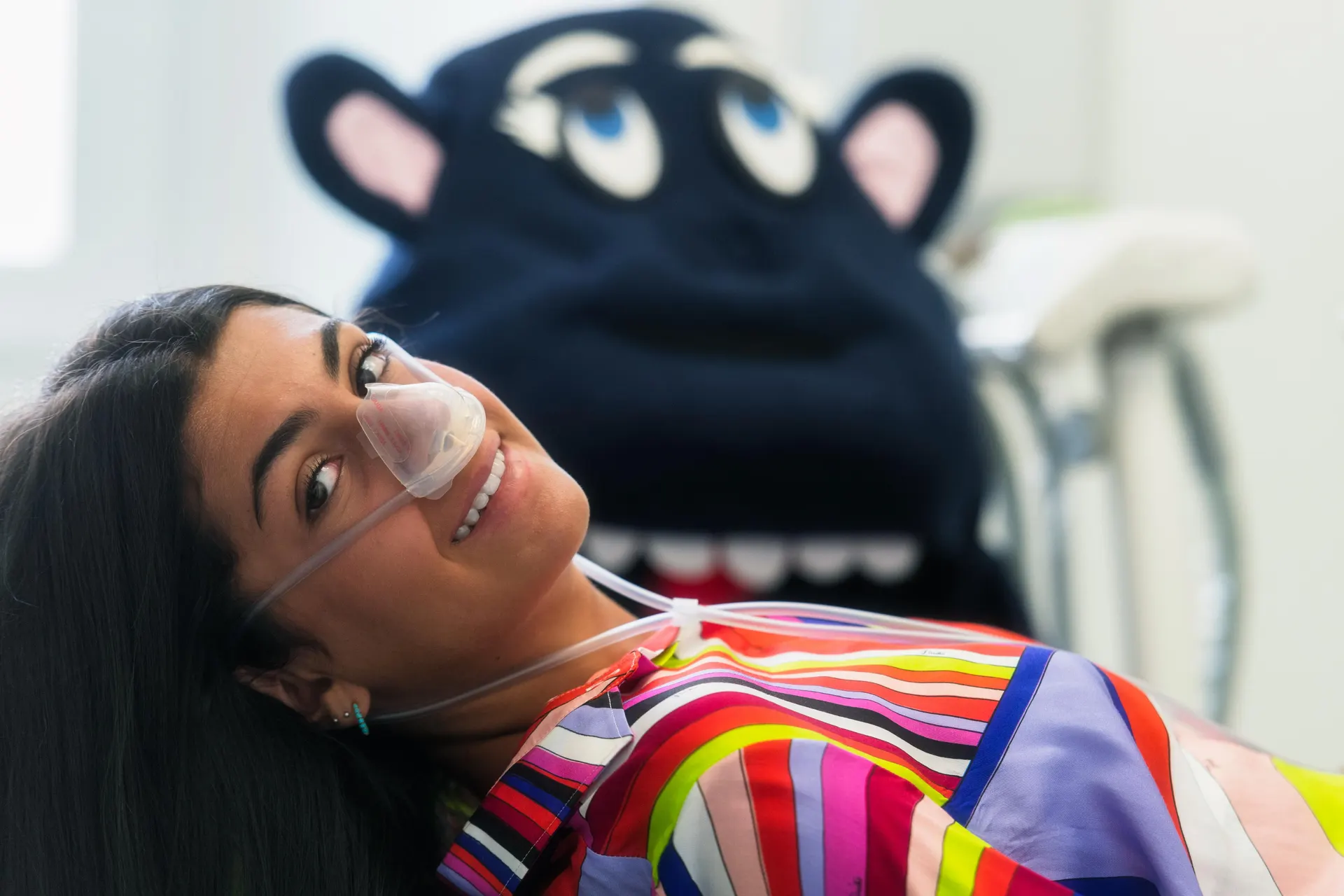
Those who suffer from fear of the dentist often have a lot of questions, but are not always able to ask them out loud.
Doubts, fears, and recurring thoughts that remain there, unresolved, and end up fueling anxiety and the postponement of treatment.
In this article we answer the most frequently asked questions that patients with dental phobia ask before deciding whether to take–or not–the first step.
Is dental phobia a real phobia or am I exaggerating?
Dental phobia is a recognized phobia, not a simple apprehension.
When fear:
-
is intense
-
lasts over time
-
leads to avoidance of treatment
-
causes physical reactions
this is not exaggeration, but a real emotional response.
Recognizing it is the first step in dealing with it properly.
Is it normal to be afraid of the dentist even as an adult?
Yes, it is absolutely normal.
Many patients think that fear of the dentist is “for children,” but in fact dental phobia is widespread in adults, often precisely because it is related to past experiences.
Being an adult does not mean being immune to fear.
It just means having learned, at times, to live with it in silence.
If I am afraid, should I still grit my teeth and get treatment?
No.
This approach is one of the reasons why dental phobia gets worse.
“Resisting” or “getting tough” may work once, but in the long run it increases:
-
stress
-
trauma
-
The probability of avoiding the dentist again
Today there are dedicated pathways for anxious patients, allowing them to treat themselves without forcing.
I am especially afraid of anesthesia: is it common?
Yes, it is very common.
Many patients do not fear treatment so much as:
-
the sting
-
the feeling of pressure
-
the memory of painful anesthesia
It is important to know that today there are modern, computerized anesthesia techniques designed precisely to make this moment much more delicate and controlled than in the past.
If anesthesia “doesn’t take,” what happens?
A correct approach is never to start treatment if the patient is in pain.
This means:
-
Always check the effectiveness of anesthesia
-
wait for the right times
-
adapt the technique to the individual patient
-
Stop immediately if something is not comfortable
The patient does not have to endure.
He or she must feel safe.
Is conscious sedation like being asleep?
No.
With conscious sedation:
-
no sleep
-
you do not lose consciousness
-
you don’t lose control
The patient remains awake, conscious and cooperative, but in a state of deep relaxation.
Many patients describe it as feeling calm and detached from fear.
Can I have conscious sedation even for just a tooth cleaning?
Yes, if necessary.
Conscious sedation is not reserved only for complex surgeries.
It can also be used for:
-
oral hygiene
-
first visits
-
simple cures
Especially when the fear is such that it prevents any kind of treatment.
I am afraid of losing control in the chair: what happens if I want to stop?
A key aspect in dedicated pathways for anxious patients is shared control.
During the session:
-
the patient can stop at any time
-
stop signs are agreed upon
-
nothing is done without consent
Knowing that you can stop treatment dramatically reduces anxiety.
What if I had a bad experience in the past?
This is one of the most common situations.
A bad experience can leave a deep mark, even years later.
But it does not mean that all future experiences will be the same.
Changing approach, environment and method can make a huge difference.
The past does not have to determine the future.
I am ashamed of the state of my teeth: can I be judged?
No.
Shame is one of the main reasons why patients with dental phobia avoid the dentist.
But in a correct approach:
-
there are no reproaches
-
there are no judgments
-
there are no guilty comments
Oral health is a pathway, not a fault.
Do I have to do everything right away or can I go step by step?
You can (and often should) proceed in stages.
In patients with fear:
-
it is not necessary to do everything in the first session
-
you can start with small steps
-
even a simple visit can be a great achievement
The pace is decided by the patient, not the agenda.
Can fear really diminish over time?
Yes, very often yes.
When experience becomes:
-
respectful
-
predictable
-
painless
-
controlled
the brain gradually stops associating the dentist with danger.
Many patients find that, visit after visit, fear loses strength.
What is the first step if I have dental phobia?
The first step is not a cure.
È:
-
talk
-
ask for information
-
feel welcome
-
to know that there are solutions
Even just informing oneself is already an act of self-care.
One last message for those who are reading
If you are afraid of the dentist, you are not alone and you are not late.
Fear does not define who you are, only what you have experienced.
Today there are pathways designed precisely for people like you who need more attention, more respect and more time.
Read more
-
Dental phobia: the complete guide
-
7 signs that indicate dental phobia
-
Caring for teeth without pain
-
Conscious sedation: safety and benefits
-
Feather Method: the dedicated approach
Learn more
The Feather Method®
How we work with dental fear: pace agreed with the patient, conscious sedation where appropriate, and the option to stop at any moment.
Go to the pageLooking for a dentist in Rome? Book an Appointment
Dr. Marano personally replies to every message he receives within 24 hours. Fill in the form and he will get back to you shortly.
Articoli Correlati
Stay in touch
One email when we publish something new. No promotions, nothing pointless.