Root Canal Therapy: What It Is, When It Is Done, and Why
Root canal therapy, also known as endodontic treatment, is one of the most common but often misunderstood dental procedures by patients. This treatment is essential to save a compromised tooth from infection or deep damage. In this article we will explore in detail what root canal therapy is, why it
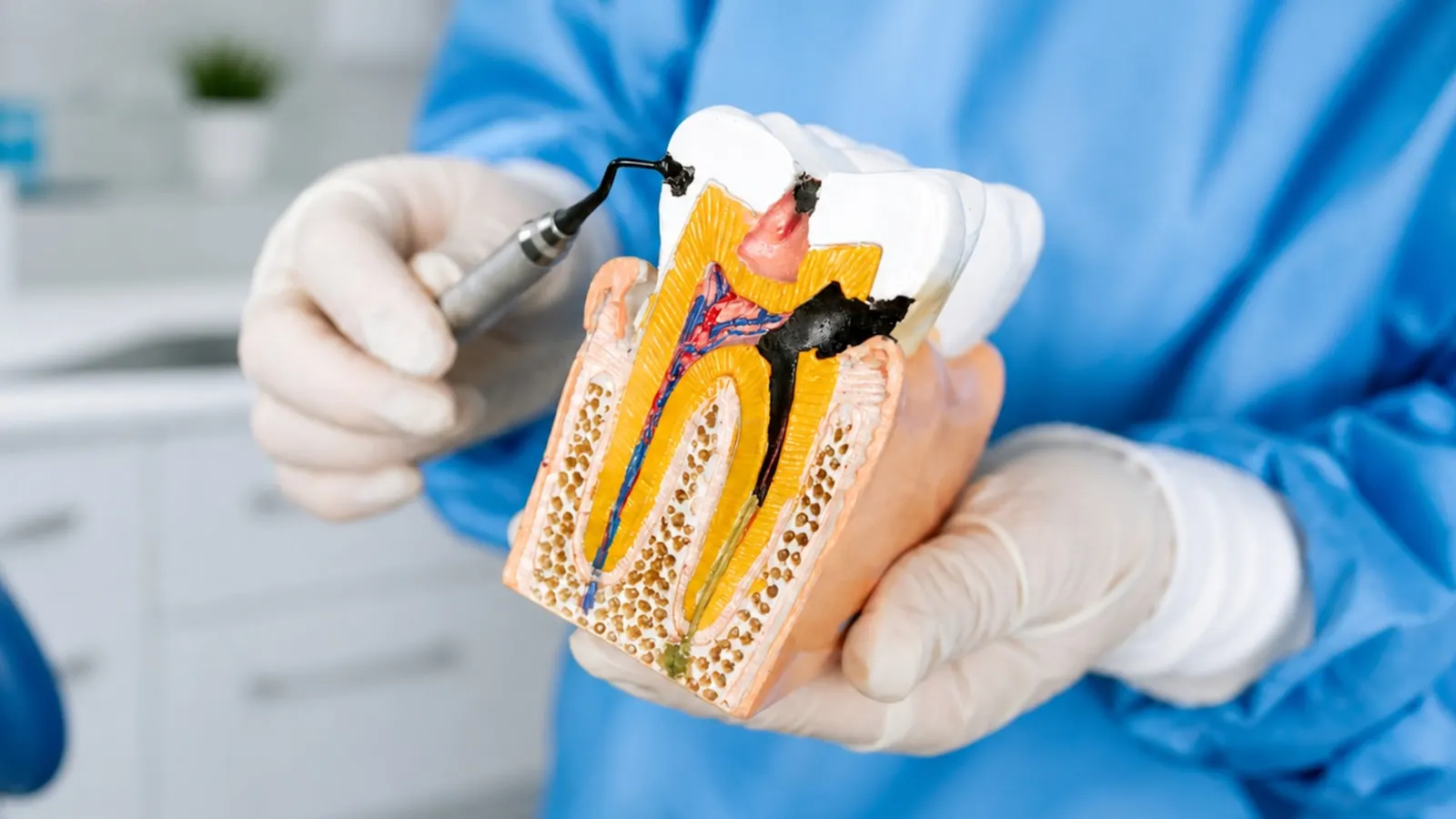
Root canal therapy, also known as endodontic treatment, is one of the most common but often misunderstood dental procedures by patients. This treatment is essential to save a compromised tooth from infection or deep damage. In this article we will explore in detail what root canal therapy is, why it is performed, and when it is necessary, relying on reliable sources to clarify any doubts.
What is Canal Therapy?
Root canal therapy is a procedure involving the removal of infected or damaged soft tissue inside the tooth, known as dental pulp. The pulp contains nerves, blood vessels and connective tissue, and is located on the inside of the tooth, extending from the crown to the roots. When the pulp becomes infected or damaged, due to deep decay, trauma, or infection, it can cause intense pain and, if left untreated, lead to tooth loss.
Root canal treatment aims to remove this damaged pulp, disinfect the root canal and fill it with a biocompatible material to prevent further infection. This process saves the tooth by avoiding extraction.
When is Canal Therapy Needed?
Root canal therapy is performed in specific situations where the tooth has suffered irreversible pulp damage. Common signs that indicate the need for root canal treatment include:
- Persistent pain: Pain, especially if acute or pulsating, is often the first sign of an endodontic problem. It may be caused by infection or inflammation involving the tooth pulp.
- Sensitivity to hot and cold: If you experience sharp pain when consuming hot or cold foods, and this persists even after removing the stimulus, it could be a sign of a pulp problem.
- Gum swelling and pain: A pulp infection can spread to the surrounding tissues, causing swelling and discomfort in the gum around the affected tooth.
- Tooth discoloration: Teeth that turn dark or tend toward gray may be a sign of pulp trauma, which may need treatment.
- Dental abscess: An advanced infection can cause an abscess to form, a pocket of pus that accumulates in the tissues near the tooth root, causing swelling and pain.
In many cases, these conditions are caused by untreated caries that progresses to the pulp or trauma that compromises the integrity of the tooth. Accurate diagnosis through dental radiographs and clinical examination is critical to determine whether root canal therapy is necessary.
Why is Canal Therapy Performed?
The main goal of root canal therapy is to save the tooth. For decades, extraction was the only option for teeth with infected or damaged pulp. However, with advances in dental techniques, root canal therapy is now a much more conservative solution.
Saving the tooth through root canal therapy offers many advantages:
- Natural tooth preservation: Having a natural tooth offers better function and aesthetics than an artificial tooth or a gap. In addition, natural teeth maintain the bone structure of the jaw, preventing bone resorption that can occur after an extraction.
- Prevention of more serious infections: If left untreated, a dental infection can spread to other parts of the body, causing serious complications such as abscesses or systemic infections.
- Avoid extraction-related complications: Although there are options for replacing an extracted tooth (such as implants or bridges), these solutions can be more expensive, invasive, and require longer recovery times than root canal therapy.
- Maintenance of chewing function: Saving the tooth means maintaining the ability to chew effectively, avoiding undue stress on the remaining teeth.
How is Canal Therapy Performed?
The procedure is carried out in several stages:
- Anesthesia: Treatment begins with the application of local anesthesia to numb the area around the tooth, ensuring that the patient feels no pain during the procedure.
- Tooth isolation: A dental dam (a thin sheet of latex) is placed around the tooth to isolate it from the rest of the mouth, keeping the area dry and free of contamination.
- Pulp access: The dentist makes an opening at the top of the tooth to access the damaged pulp inside.
- Pulp removal: Using specific instruments, infected or damaged pulp is removed, and root canals are disinfected.
- Root canal filling: After root canals are cleaned and shaped, they are filled with a biocompatible material, usually gutta-percha, to seal the tooth and prevent further infection.
- Final restoration: After root canal therapy, the tooth is usually reconstructed with a crown or filling to restore its function and structural integrity.
Bibliographic Sources.
- American Association of Endodontists. (2020). Root Canal Treatment: Step by Step.
- European Society of Endodontology. (2006). . International Endodontic Journal, 39(12), 921-930.
- Hargreaves, K. M., Berman, L. H. (2015). Cohen’s Pathways of the Pulp. Elsevier, 11th Edition.
In conclusion, root canal therapy is a life-saving procedure for teeth affected by infection or deep damage. Using modern techniques, this therapy offers an effective and safe solution for maintaining dental health and preventing future complications. If you suspect you need root canal treatment, it is important to consult your dentist for early diagnosis and timely treatment.
Learn more
Root canal treatment and endodontics in Rome
How we approach endodontics at the practice: apex locator, ZEISS EXTARO 300 surgical microscope, CBCT 4×4 HD and ozone therapy.
Go to the pageLooking for a dentist in Rome? Book an Appointment
Dr. Marano personally replies to every message he receives within 24 hours. Fill in the form and he will get back to you shortly.
Articoli Correlati
Stay in touch
One email when we publish something new. No promotions, nothing pointless.