Dental Phobia: The Definitive Guide to Overcoming Fear of the Dentist
For many people the word dentist evokes discomfort, tension, fear.For others, unfortunately, it represents something much deeper: dental phobia. Dental phobia is not a whim or a weakness. It is a real, widespread, and often underestimated condition that leads thousands of people to put off dental ca
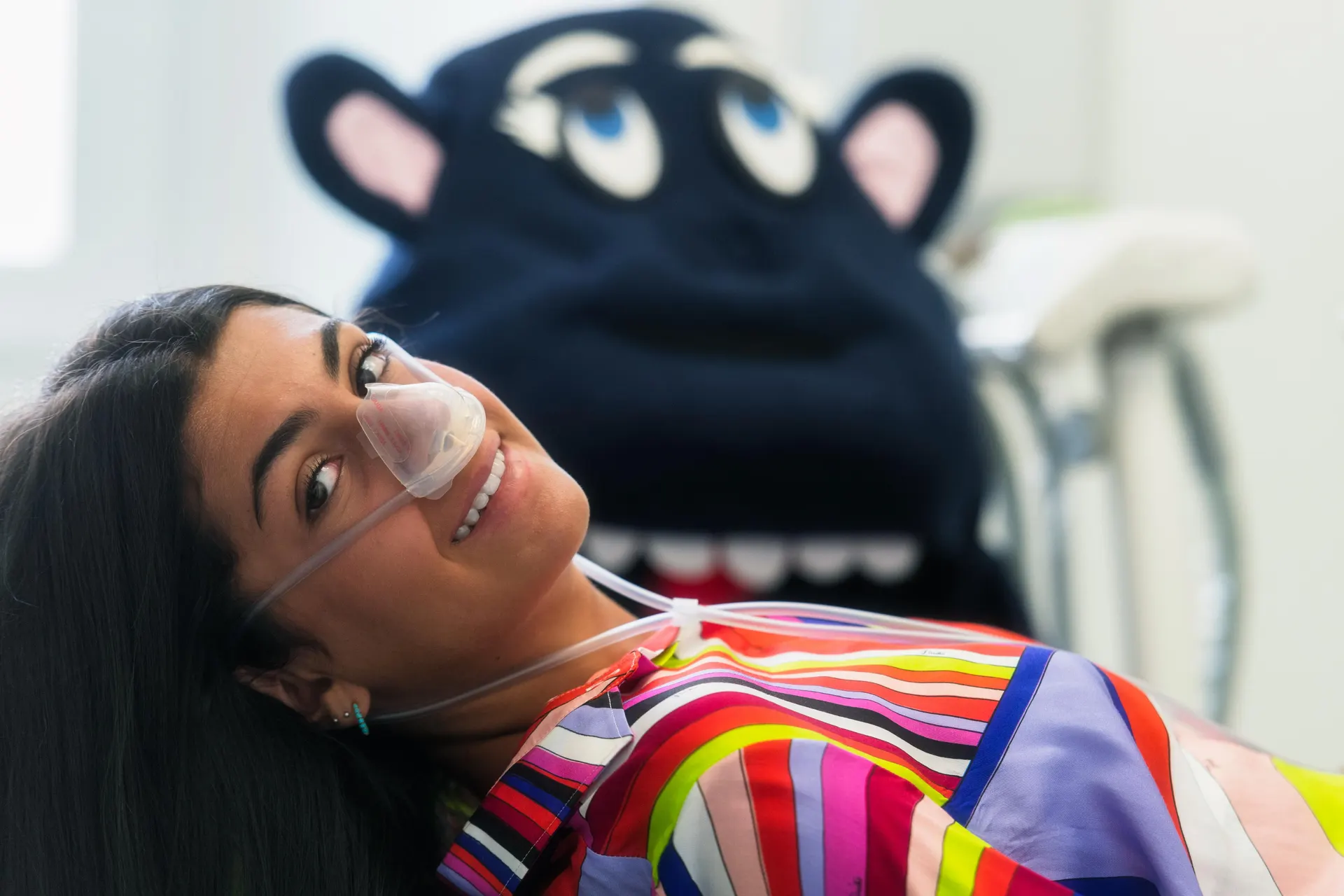
For many people the word dentist evokes discomfort, tension, fear.
For others, unfortunately, it represents something much deeper: dental phobia.
Dental phobia is not a whim or a weakness. It is a real, widespread, and often underestimated condition that leads thousands of people to put off dental care for years, with major consequences on their health and quality of life.
This guide was created for one reason: to help you understand that you are not alone and that there are concrete, safe, and fear-friendly solutions today.
What is dental phobia (and why it is not “just anxiety”)
Dental phobia is an intense and persistent fear of the dentist and dental care, such that it leads patients to actively avoid visits, even in the presence of obvious pain or problems.
Unlike normal anxiety:
-
does not fade with time
-
does not depend on rationality
-
Often triggers involuntary physical reactions
Many patients know that they “should go to the dentist,” but the body gets stuck before even the mind.
How widespread is the fear of the dentist?
More than you might think.
-
More than 60 percent of adults experience anxiety before a dental visit
-
About 15-20% suffer from true dental phobia
-
A significant percentage have not been to the dentist for more than 5-10 years
It is not a rare problem. It is a silent problem.
What is the origin of dental phobia?
Each patient has a different story, but the most common causes are:
▸ Past traumatic experiences.
Unmanaged pain, abrupt communication, feeling of helplessness.
▸ Fear of losing control.
Being lying down, with your mouth open, unable to speak.
▸ Fear of pain
Although today technology has made enormous strides, the memory remains.
▸ Smells, sounds, instruments.
Sensory stimuli that automatically reactivate anxiety.
▸ Shame
Many patients avoid the dentist for fear of judgment about the state of their mouths.
The most common signs of dental phobia
Dental phobia does not only occur “in the head.” It often involves the whole body.
-
Tachycardia already in the previous days
-
Sweating, nausea, trembling
-
Feeling of suffocation in the chair
-
Panic attacks
-
Insomnia before the visit
-
Constantly putting off appointments
If you recognize yourself even in part, you are not exaggerating.
Why putting off treatment makes the problem worse
Avoiding the dentist may seem like a solution in the short term, but over time it creates a vicious cycle:
-
Dental problem worsens
-
Treatment becomes more complex
-
Increasing fear
-
Access to care is delayed again
With the result that fear grows along with the problem.
Today, treating teeth without fear is possible
The good news is that modern dentistry has completely changed its approach, especially toward anxious or phobic patients.
Today we are no longer just talking about “treating a tooth,” but about taking care of the person.
The most effective solutions include:
-
Clear communication and met deadlines
-
constant monitoring of patient comfort
-
Modern, customized anesthesia
-
guided relaxation techniques
Conscious sedation allows one to approach treatment in a state of deep relaxation, remaining conscious, cooperative, and without losing control.
The first visit: the most important moment
For those with dental phobia, the first visit should never be experienced as an “intervention.”
It is a time of listening, knowing and building trust.
A proper approach involves:
-
no forcing
-
simple explanations
-
possibility of stopping at any time
-
Absolute respect for the patient’s emotional timing
Trust is not imposed. It is constructed.
Overcoming dental phobia: a path, not a test of strength
Overcoming the fear of the dentist does not mean “resisting” or “gritting one’s teeth.”
Meaning:
-
feel welcome
-
not be judged
-
To know that someone has experience just with patients like you
When this happens, many patients discover something unexpected:
fear may diminish, visit after visit.
A message for those who are afraid
If you’re reading this article, you’ve probably been procrastinating for a long time.
Maybe you’ve told yourself “sooner or later” several times.
That sooner or later can start with a simple conversation, no commitment, no pressure.
Oral health is part of your overall health.
And no one should give it up out of fear.
Do you want to go deeper?
In the next articles we discuss:
-
conscious sedation and safety
-
How a first visit for anxious patients is really conducted
-
The Feather Method and the dedicated approach to dental phobia
Learn more
The Feather Method®
How we work with dental fear: pace agreed with the patient, conscious sedation where appropriate, and the option to stop at any moment.
Go to the pageLooking for a dentist in Rome? Book an Appointment
Dr. Marano personally replies to every message he receives within 24 hours. Fill in the form and he will get back to you shortly.
Articoli Correlati
Stay in touch
One email when we publish something new. No promotions, nothing pointless.