The Everyday Habits that Ruin Your Teeth (And How to Correct Them for Good)
Daily dental health is critical to our overall well-being, but often some everyday habits that seem harmless can damage our teeth and gums in the long run. In this article we will explore the main bad habits that put your smile at risk and provide useful tips for correcting them. 1. Teeth Grinding (
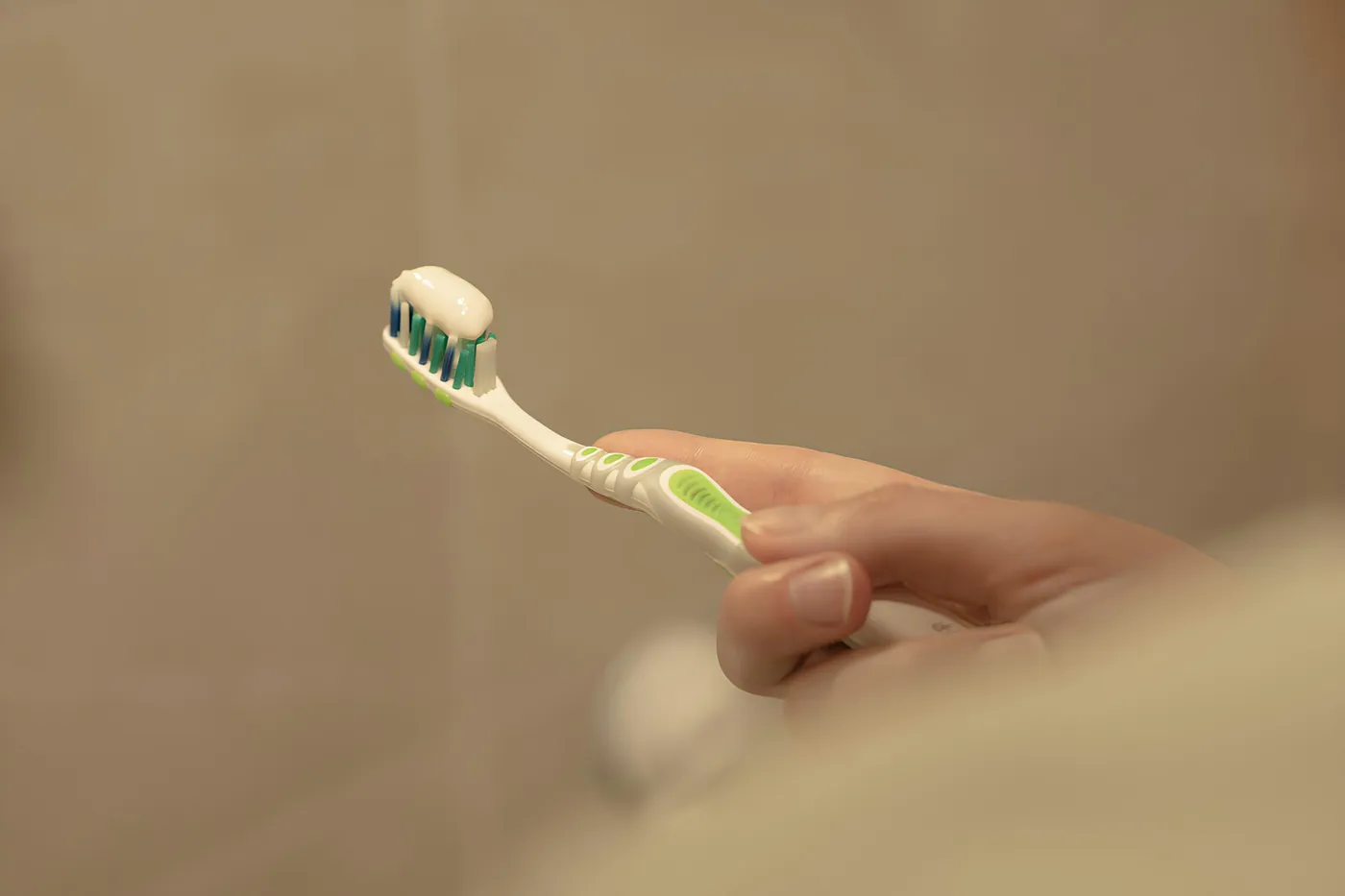
Daily dental health is critical to our overall well-being, but often some everyday habits that seem harmless can damage our teeth and gums in the long run. In this article we will explore the main bad habits that put your smile at risk and provide useful tips for correcting them.
1. Teeth Grinding (Bruxism)
Why it is harmful: Bruxism, or involuntary teeth grinding, is often caused by stress or anxiety. It can lead to tooth enamel wear, tooth sensitivity, jaw pain and, in severe cases, tooth fractures.
How to correct it:
- Use a dental splint: A customized device that protects teeth overnight.
- Manage stress: Relaxation techniques such as yoga, meditation or exercise can help reduce anxiety.
- Consult a specialist: A dentist can assess the situation and suggest targeted therapies to prevent damage to your teeth.
2. Chewing Non-Food Objects
Why it is harmful: Habits such as chewing pens, nails or bottle caps can cause microfractures in the teeth and alter the shape of the dental arches.
How to correct it:
- Identify critical moments: Chewing on objects is often an automatic behavior related to boredom or stress. Try to recognize them.
- Find an alternative: Use sugar-free gum to satisfy the need to chew without damaging the teeth.
- Consult an expert: For onychophagia (nail biting), you might consider help from a behavioral psychologist.
3. Using Teeth as Tools
Why it’s harmful: Opening packages, cutting wires or removing caps with your teeth can cause chips or fractures, compromising tooth structure.
How to correct it:
- Adopt appropriate tools: Use scissors or bottle openers instead of teeth.
- Think of the consequences: Remember that a dental repair is more expensive and painful than buying proper tools.
4. Consuming Sugary and Carbonated Beverages.
Why it’s harmful: Sugary and carbonated drinks contain sugars and acids that erode tooth enamel, increasing the risk of tooth decay and tooth sensitivity.
How to correct it:
- Reduce consumption: Limit your intake of sugary drinks, preferring sugar-free water or herbal teas.
- Use a straw: Drink through a straw to reduce contact of the drink with your teeth.
- Rinse your mouth: After consuming these drinks, rinse your mouth with water to neutralize acids and protect tooth enamel.
5. Smoking
Why it is harmful: Smoking stains teeth, increases the risk of periodontitis, and reduces the ability of gums to heal. In addition, it is a leading cause of oral cancer.
How to correct it:
- Quit smoking: Seek medical support to quit, using nicotine replacement therapies or specific programs.
- Increase dental checkups: Regular visits to the dentist can help monitor and prevent the damage of smoking.
6. Aggressive Tooth Brushing.
Why it’s harmful: Brushing too vigorously or with a hard-bristled toothbrush can cause gum recession and enamel wear.
How to correct it:
- Use a soft toothbrush: Opt for soft or medium bristles.
- Proper technique: Brush in gentle circular motions for about two minutes to maintain proper oral hygiene.
- Do not apply too much pressure: If necessary, consider an electric toothbrush with a pressure sensor.
7. Neglecting Dental Floss
Why it’s harmful: Ignoring flossing allows plaque and food debris to accumulate between teeth, increasing the risk of tooth decay and gingivitis.
How to correct it:
- Make flossing a routine: Use it at least once a day, preferably before bedtime.
- Try alternative instruments: If traditional floss is difficult to use, consider wire holders or oral irrigators for effective dental cleaning.
8. Chewing Ice
Why it is harmful: Ice is hard and can cause chips or fractures in teeth, as well as stressing fillings and crowns.
How to correct it:
- Find alternatives: Chew sugar-free candy or drink cold water without chewing ice.
- Identify causes: Chewing ice may be a sign of iron deficiency; consult your doctor if this behavior is frequent.
9. Skipping Visits to the Dentist
Why it’s harmful: Dental prevention is the key to good oral health. Neglecting regular checkups can lead to dental problems that require complex and expensive treatments.
How to correct it:
- Schedule regular checkups: Schedule an appointment at least every six months.
- Overcome fear: If you fear the dentist, consider sedation techniques such as nitrous oxide offered by Marano Dental Experience.
10. Following Extreme or Unbalanced Diets.
Why it’s harmful: Diets high in sugar or low in essential nutrients can compromise dental health by weakening enamel and increasing the risk of tooth decay.
How to correct it:
- Choose foods rich in calcium and vitamins: Dairy products, leafy green vegetables and fresh fruits help keep teeth strong and healthy.
- Avoid refined sugars: Limit sweets, industrial snacks and sugary drinks to protect your oral health.
Conclusion
Many of the bad habits that damage our teeth are modifiable with a little awareness and commitment. Oral health is not just an aesthetic issue, but an essential element of our overall well-being. Adopting healthy practices and scheduling regular appointments with your dentist is the first step to preserving a healthy, shining smile for a lifetime.
If you need further advice or would like to schedule a visit, please do not hesitate to contact Marano Dental Experience. Our team is always available to help you improve the health of your smile!
Learn more
Periodontics in Rome
Gum care, from gingivitis to periodontitis: how it is recognised, measured and kept under control over time.
Go to the pageLooking for a dentist in Rome? Book an Appointment
Dr. Marano personally replies to every message he receives within 24 hours. Fill in the form and he will get back to you shortly.
Articoli Correlati
Stay in touch
One email when we publish something new. No promotions, nothing pointless.