Therapeutic Options for a Devitalized Tooth: A Clear Approach to Dental Health
A devitalized tooth, also known as a tooth treated with root canal therapy or endodontics, is a tooth that has undergone specific treatment to remove the infected or damaged pulp while preserving its structure. This type of treatment can prevent the need to extract the tooth, but it is critical to u
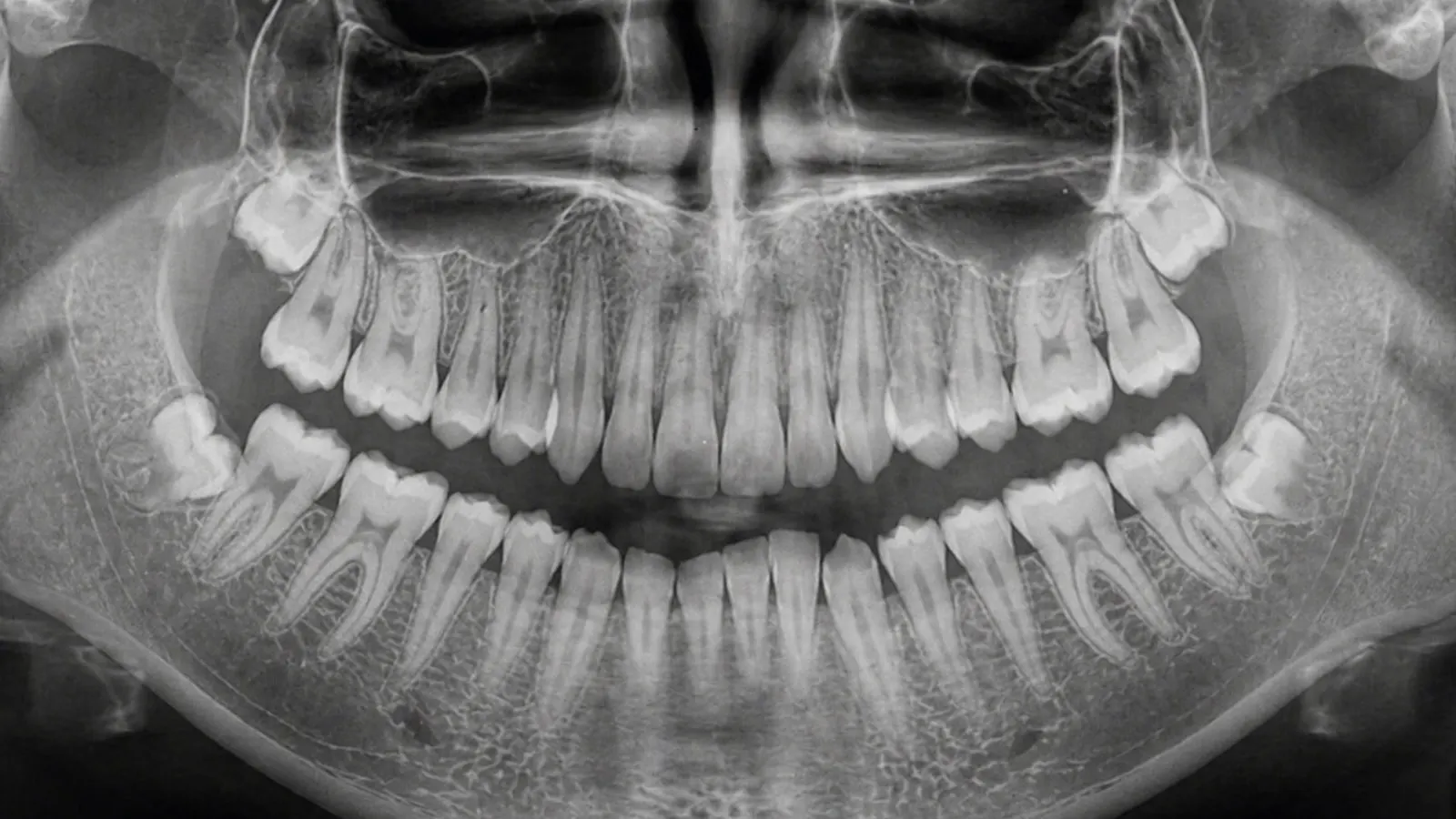
A devitalized tooth, also known as a tooth treated with root canal therapy or endodontics, is a tooth that has undergone specific treatment to remove the infected or damaged pulp while preserving its structure. This type of treatment can prevent the need to extract the tooth, but it is critical to understand that a devitalized tooth requires ongoing care and attention because, while it is nerve-free and therefore insensitive to pain, it can run into complications or weaken over time. In this article we will explore the different treatment options available for a devitalized tooth, citing authoritative sources in the dental field.
Why Devitalize a Tooth?
Devitalization, or endodontic treatment, is indicated when the tooth pulp is inflamed or infected due to deep decay, trauma, or other injury. During the procedure, the dentist removes the infected pulp, cleans and disinfects the root canals, fills them with biocompatible materials, and seals the tooth to prevent further infection.
After treatment, the devitalized tooth is no longer vitalized, that is, it no longer has the ability to perceive painful stimuli, but it remains functionally active. However, without the pulp, the tooth becomes more fragile and needs adequate protection to avoid fractures or further complications.
Therapeutic Options for a Devitalized Tooth
After root canal therapy is completed, treatment options focus on protection, functional restoration, and aesthetics of the treated tooth. Let’s look at the main therapeutic options available below.
1. Protective Dental Crown
One of the most common options for protecting a devitalized tooth is the application of a dental crown. Crowns are prosthetic covers that completely cover the tooth, restoring its original strength and function. The need for a crown is especially high for posterior teeth (molars and premolars), which are subjected to intense chewing forces. Scientific studies show that most devitalized teeth in the posterior sectors require crowns to prevent future fractures .
Crowns can be made from a variety of materials, including:
- Porcelain fused to metal (PFM): Combines the aesthetics of porcelain with the strength of metal.
- Zirconia: Extremely durable and ideal for back teeth, it also offers an aesthetic appearance very similar to the natural tooth.
- All-ceramic: It is often used for anterior teeth, where esthetic appearance is paramount.
The crown application process usually requires two appointments: in the first, the dentist prepares the tooth and takes an impression, and in the second, the insertion of the final crown takes place.
2. Direct Obturation or Reconstruction
In some cases, especially if the devitalized tooth is still structurally sound and has no major loss of tooth substance, a directfilling or reconstruction may be sufficient. This procedure involves the application of composite materials, which are molded directly onto the tooth, restoring its original form and function. Modern composite materials have an esthetic appearance very similar to that of the natural tooth and can last for several years.
One advantage of this option is that it is less invasive than the crown, as it does not require significant tooth preparation. However, this solution is generally indicated for anterior teeth or in cases where the tooth structure is still sufficiently strong.
3. Pivot and Reconstruction
In cases where the devitalized tooth is significantly compromised due to severe loss of tooth structure, it may be necessary to insert a post within the root canal to provide adequate support for the subsequent reconstruction. The post can be made of fiberglass or metal and is used to provide stability to the reconstruction or crown that will be applied over it.
The use of root posts is especially indicated when the devitalized tooth has suffered a fracture or significant loss of tooth tissue, as they provide additional support to ensure the durability of the restoration .
4. Endodontic Retreatment
If a devitalized tooth begins to show signs of infection or if initial root canal treatment has been unsuccessful, endodontic retreatment may be necessary. This procedure involves removing the root canal filling material, cleaning the canal again, and sealing it with a new material.
Retreatment may be indicated if:
- The infection was not completely eliminated during the initial treatment.
- The sealing of the tooth has deteriorated over time, allowing bacteria to re-enter.
- The tooth has suffered new injuries or fractures that have compromised previous treatment.
Although endodontic retreatment is effective, it is still a complex procedure and requires a great deal of experience and expertise on the part of the dentist. In some cases, it may be preferable to switch to a surgical option, such as an apicoectomy.
5. Apicectomy
When endodontic retreatment is not sufficient to resolve a persistent infection, anapicectomy. This is a surgical procedure during which the infected root apex, along with the surrounding tissue, is removed to permanently seal the canal.
Apicoectomy is often considered a procedure of last resort, reserved for those cases in which traditional endodontic retreatment is no longer possible or effective. Although it is an invasive procedure, it has a very high success rate in resolving root infections .
6. Dental Extraction and Implantation
In some cases, despite all efforts, a devitalized tooth may be irreparably damaged or prone to recurrent infection. In these situations,extraction may become the only treatment option. After extraction, it is essential to consider tooth replacement to prevent functional and aesthetic problems.
The best option for replacing an extracted tooth is thedental implant, a titanium screw that is inserted into the jawbone and onto which a prosthetic crown is placed. Dental implants are considered a long-term solution and can last for many years, offering similar functionality to a natural tooth.
Conclusion
Treatment of a devitalized tooth may involve several treatment options, all aimed at preserving the function, stability, and aesthetics of the treated tooth. Choices range from a simple filling to the more complex endodontic surgery or dental implant, depending on the condition of the tooth and the needs of the patient. It is critical to discuss all options with your dentist to identify the most appropriate treatment.
Science continues to advance in the field of endodontics and prosthodontics, offering increasingly reliable and durable solutions to ensure the best possible outcome for patients. As always, prevention is the best cure: maintaining good oral hygiene and having regular checkups can avoid the need for endodontic treatment.
Bibliography
- Whitworth JM. “Methods of filling root canals: principles and practices.” Endodontic Topics, 2005.
- Schilder H. “Filling root canals in three dimensions.” J Endod, 2006.
- Torabinejad M, et al. “Outcomes of nonsurgical retreatment and endodontic surgery: a systematic review.” J Endod, 2009.
Learn more
Root canal treatment and endodontics in Rome
How we approach endodontics at the practice: apex locator, ZEISS EXTARO 300 surgical microscope, CBCT 4×4 HD and ozone therapy.
Go to the pageLooking for a dentist in Rome? Book an Appointment
Dr. Marano personally replies to every message he receives within 24 hours. Fill in the form and he will get back to you shortly.
Articoli Correlati
Stay in touch
One email when we publish something new. No promotions, nothing pointless.