Bruxism: extraordinary guide for patients
Have you ever heard of bruxism? Approximately 12% of adults suffer from this disorder, often without knowing it. Those who grind or clench their teeth can develop problems such as muscle pain, tooth wear and chronic headaches. Knowing what triggers bruxism and how to recognize it helps protect your
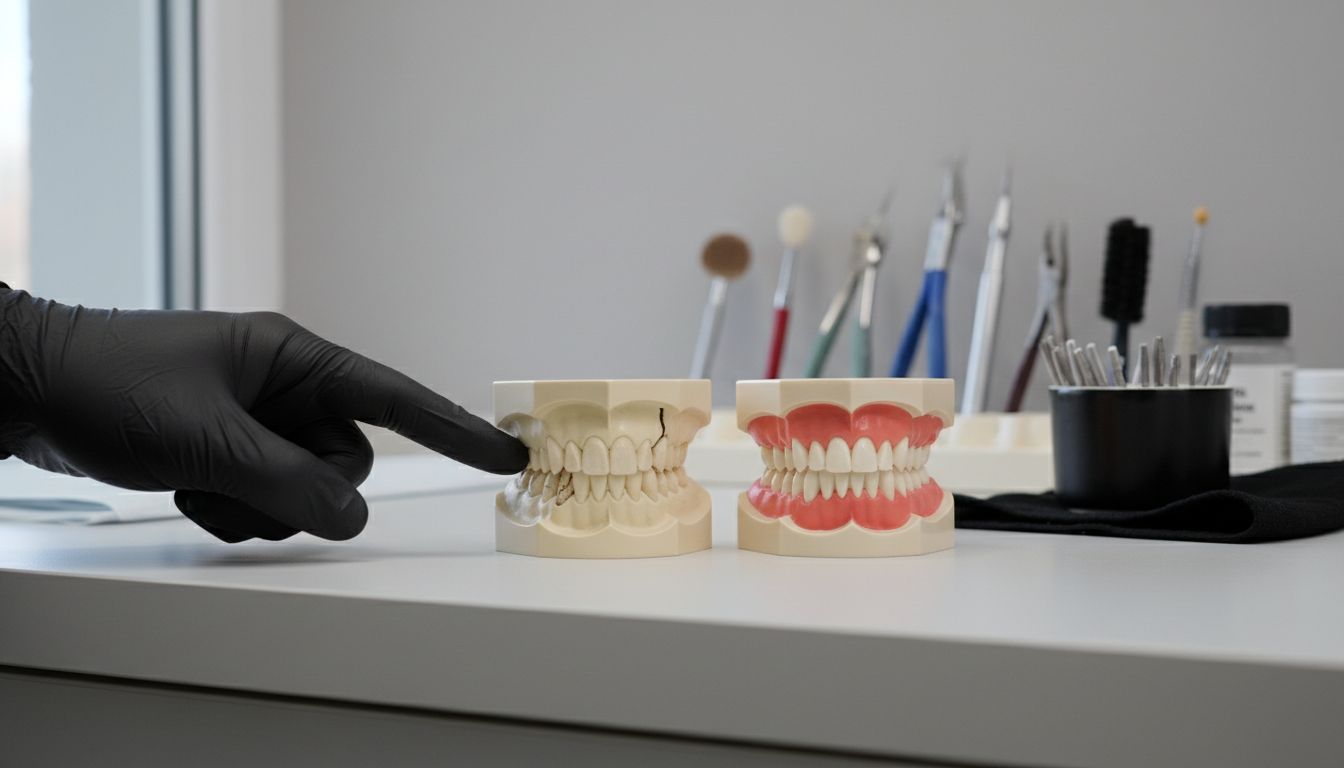
Have you ever heard of bruxism? Approximately 12% of adults suffer from this disorder, often without knowing it. Those who grind or clench their teeth can develop problems such as muscle pain, tooth wear and chronic headaches. Knowing what triggers bruxism and how to recognize it helps protect your smile and prevent permanent damage to your mouth.
- What is bruxism and how it works
- Types of bruxism: sleep and wakefulness
- Symptoms and harms associated with bruxism
- Multiple causes and risk factors
- Treatments: splints, therapies and practical interventions
- Mistakes to avoid and treatment alternatives
Key Points
| Point | Details |
|---|---|
| Types of bruxism | There are two main forms: daytime and nighttime bruxism, each with different causes and consequences. |
| Symptoms and damage | Bruxism can cause muscle pain, headaches, and severe dental damage, such as enamel wear and fractures. |
| Multifactorial causes | Psychological, neurological, and physical factors are all involved in the development of bruxism, requiring a comprehensive approach. |
| Effective treatments | Multimodal treatment, including dental splints, physiotherapy and psychological support, is essential to manage bruxism. |
What is bruxism and how it works
Bruxism is a neurological disorder characterized by the involuntary and repetitive clenching of teeth, which can occur during both day and night. This condition causes continuous mechanical movement of the jaws, generating abnormal pressure on the teeth and jaw muscles.
There are mainly two types of bruxism: diurnal and nocturnal. Daytime bruxism occurs during waking hours, often as a result of stress, anxiety, or intense concentration, while nighttime bruxism happens during sleep, often causing more severe complaints that are difficult for the person himself to control. Learn more about nocturnal grinding in children.
The mechanisms that trigger bruxism are complex and multifactorial. They can include psychological factors such as emotional stress, physical factors such as dental or postural abnormalities, and even neurological factors related to the central nervous system. The consequences of this disorder can be significant: from tooth wear to muscle pain, headaches, temporomandibular joint disorders, and even changes in facial structure over the long term.
Types of bruxism: sleep and wakefulness
According to research, bruxism manifests in two main variants: daytime bruxism and nighttime bruxism. Learn more about habits that ruin teeth to better understand these complex mechanisms.
Here is a comparison of the two main types of bruxism:
| Feature | Daytime Bruxism | Nocturnal Bruxism |
|---|---|---|
| Time of onset | During wakefulness | During sleep |
| Root Causes. | Stress Anxiety Concentration |
Stress Sleep disorders Dental abnormalities |
| Awareness | Often aware | Not aware |
| Typical injuries | Jaw pain Headaches |
Enamel wear Dental fractures |
| Ease of control | Easier to manage | More difficult to manage |
Daytime bruxism occurs during waking hours and is often related to stressful situations, intense concentration, or particularly charged emotional states. In these cases, the person involuntarily clenches the teeth, generating muscle tension that can cause jaw pain and headaches. This type of bruxism is generally more controllable than nocturnal bruxism, as the person can become aware of the movement and try to relax.
Nocturnal bruxism, on the other hand, represents the most common and problematic form. It happens during sleep, when the person has no control over involuntary jaw movements. This type of bruxism can cause significant damage to the teeth, such as enamel wear, fractures, and even temporomandibular joint disorders. There can be many causes: psychological stress, sleep disorders, dental or postural abnormalities, and intake of certain substances or medications.
Symptoms and harms associated with bruxism
Bruxism can cause a range of symptoms and consequences that affect not only the teeth, but the entire orofacial system. Learn about cracked tooth syndrome to better understand potential dental damage.
The main physical symptoms include soreness of the masticatory muscles, recurrent headaches, especially upon awakening, and localized jaw pain. Patients often report a feeling of muscle tightness and stiffness, accompanied by temporomandibular joint disorders that can cause difficulty in normal opening and closing of the mouth.
Dental damage, on the other hand, represents the most critical aspect of bruxism. The continuous and involuntary action of clenching and rubbing teeth can cause: abnormal wear of enamel, microfractures, chipping of teeth, increased tooth sensitivity, and, in severe cases, loss of the vertical dimension of occlusion. These phenomena not only compromise the aesthetics of the smile, but can lead to serious functional consequences and require expensive reconstructive dental procedures.
Multiple causes and risk factors
Bruxism is an extremely complex disorder with multifactorial origins, simultaneously involving psychological, neurological and physical aspects. Learn how certain daily habits can affect dental health to better understand these interconnected mechanisms.
Among the major psychological factors, stress represents the main trigger. Anxiety, emotional tensions and psychological disorders can trigger involuntary mechanisms of teeth clenching and grinding, both during the day and at night. In addition, conditions such as depression, sleep disorders, and competitive personalities significantly increase the risk of developing bruxism.
Other risk factors include neurological and pharmacological aspects: taking certain stimulants, antidepressant drugs, central nervous system disorders, prior brain trauma, and even genetic predispositions may contribute to the onset of bruxism. Physical factors such as dental malocclusions, poor posture and abnormal muscle habits can also play a crucial role in the development of this complex disorder.
Treatments: splints, therapies and practical interventions
The treatment of bruxism requires a multimodal approach that combines several therapeutic strategies to effectively manage the disorder. Learn about treatment options for bruxism to understand the importance of a personalized approach.
Dental splints represent the most immediate and popular intervention. These custom-made, dentist-made devices protect teeth during the night by reducing the mechanical stress caused by grinding. Along with splints, physiotherapy and muscle relaxation techniques can help reduce tension in the chewing muscles, improving symptoms and preventing further damage.
Psychological therapies play a crucial role in the treatment of bruxism. Approaches such as ISTDP (Intensive Short-Term Dynamic Psychotherapy), stress management techniques and cognitive-behavioral therapies can help identify and manage the underlying emotional causes. In some cases, the physician may also prescribe muscle relaxant or anxiolytic medications to relieve symptoms and break the vicious cycle of bruxism.
Mistakes to avoid and treatment alternatives
Approaching bruxism requires awareness and a critical attitude toward possible solutions. Check out our dentistry blog articles to learn more about this complex disorder.
The main mistake to avoid isself-diagnosis andself-treatment. Many patients tend to underestimate the complexity of bruxism, resorting to do-it-yourself remedies that may prove ineffective or even counterproductive. It is essential to seek the advice of professionals who can assess the specific situation and propose a personalized treatment.
Other complementary therapeutic alternatives include advanced relaxation techniques such as autogenic techniques, mindfulness meditation, and specific breathing exercises that can help reduce muscle tension and stress. These nonpharmacological approaches can be extremely effective when integrated with professional treatments, offering patients tools to actively manage bruxism symptoms and improve quality of life.
Learn how to effectively prevent and treat bruxism
Bruxism can turn into a constant source of pain and discomfort affecting the quality of your sleep and the health of your teeth. If you feel muscle tension, headaches or have noticed abnormal tooth wear then it’s time to take action before the problem gets worse. Relying on customized solutions such as dental splints and stress management supports can make a difference in protecting your smile and regaining wellness.
Don’t let bruxism compromise your daily life visit our center for a professional evaluation. Learn about all the treatment options and practical advice on our , and explore how to maintain oral health over time with our in-depth articles on daily habits and dental health in addition to learning about the risks associated with a cracked tooth. Book your visit now and start on a path to a healthy and protected smile.
Frequently Asked Questions
What is bruxism?
Bruxism is a neurological disorder that involves involuntary clenching of the teeth, either during the day or at night.
What are the symptoms of bruxism?
Symptoms include jaw pain, headaches, muscle tension, and dental damage such as enamel wear and fractures.
How can bruxism be treated?
Treatment includes dental splints, physical therapy, relaxation techniques and psychological therapies to manage underlying emotional factors.
What are the causes of bruxism?
Causes can be multifactorial and include stress, anxiety, dental abnormalities, sleep disorders, and neurological factors.
Recommendation
Looking for a dentist in Rome? Book an Appointment
Dr. Marano personally replies to every message he receives within 24 hours. Fill in the form and he will get back to you shortly.
Articoli Correlati
Stay in touch
One email when we publish something new. No promotions, nothing pointless.